


It’s time to enjoy some of the most beautiful blooms. Through the Gauteng winter, nature seems to makes up for the cold by giving us some of the most special flowers to cheer us up. A mass display is stunning but when stops to appreciate a single flower it is when the magic of nature comes to light.
This Eckards blog focuses on Orchids, they are just too awesome not too. In this guide we explain how to grow healthy Phalaenopsis and Cymbidium orchids. Including watering, feeding, positioning, repotting and choosing the right orchid mix and fertiliser.
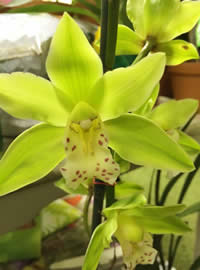 called Boat Orchids |
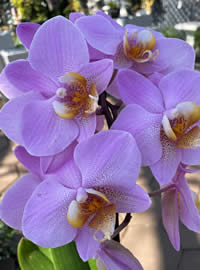 called Moth Orchids |
Growing Orchids
To grow the best orchids is much easier that one thinks and they are extremely rewarding. There are two popular orchids that are the most freely available and a treat to grow. The Moth Orchid, Phalaenopsis have become very popular as they can flower for months on end and flower throughout the year. Cymbidiums often called Boat Orchids, flower in winter through to spring and provide spectacular sprays of flowers that last for ages even when cut for the vase.
The most common causes for yellowing leaves on an orchid are overwatering, ageing leaves, excessive direct sunlight or poor drainage. With all orchids if one gets the three key points right, the rest falls into place. Most orchids should be watered thoroughly only once the growing medium begins to
With all orchids if you get the three key points right the rest falls into place and you will have great pleasure from these spectacular plants. The three things to consider are light, positioning and feeding.
Choosing the right orchid food
Orchids have different nutritional needs from most houseplants. Orchids benefit from balanced nutrients rather than excessive feeding but it worth remembering that both Phalaenopsis and Cymbidiums appreciate regular feeding during the active growing period throughout summer. While some general fertilisers may be suitable at reduced strength, specialist orchid fertilisers are formulated to better match orchid nutritional requirements.
Specially formulated orchid fertilisers such as Pokon Orchid Food or Wonder Orchid Bloom are formulated to supply the right balance of macro- and micronutrients. Balanced feeding is more important than simply choosing a "high bloom" fertiliser.
Phalaenopsis are epiphytes that naturally grow on trees. They prefer light, regular feeding with a balanced fertiliser and are sensitive to salt build-up and with less nitrogen in their food.
Cymbidiums are largely terrestrial or lithophytic orchids. They are heavier feeders, produce more leaves and pseudobulbs, and generally benefit from higher nutrient levels.
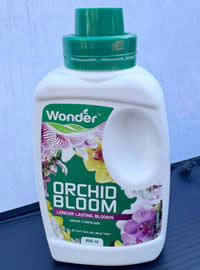 for Cymbidiums |
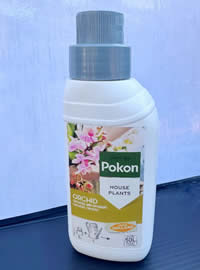 for Phalaenopsis |
Pokon Orchid Plant Food:
A premium maintenance fertiliser for keeping all orchids healthy year-round.
As a liquid fertiliser for all types of orchids for a simple "feed and forget" routine. This perfectly balanced fertiliser provides your orchid with the special care it needs and makes sure you get to enjoy its luscious flowers again and again.
Mix 5ml of fertiliser per litre of water and water into your Orchids. Use this fertiliser every alternate watering throughout the year.
Quick check:
- Makes 50 litres of feed
- Feed every 2 weeks as a soil drench
- Premium balanced orchid nutrition
- Encourages healthy roots and repeat flowering
Wonder Orchid Bloom Plant Food:
A liquid fertiliser that specifically allows foliar feeding and as a root drench. For a more intensive feeding programme this can be sprayed onto leaves or applied to roots as a drench to support strong growth and flowering.
All Orchids naturally absorb nutrients through leaves and aerial roots, so foliar feeding can produce a quicker visible response. If you are looking for a more active feeding programme Wonder Orchid Bloom is ideal for those who enjoy regularly caring for their orchids and monitoring results.
Once a week, mix 5 ml of fertiliser per litre of water and water into your orchids every alternate watering and applying as a foliar spray every week.
Quick check:
- Makes 50 litres of feed
- Feed every 2 weeks as a soil drench or as a foliar spray on a weekly basis
- Supports vigorous growth and flowering
- Ideal for orchids recovering from stress or flowering
Pokon Orchid Food is ideal for growers wanting a balanced maintenance fertiliser, while Wonder Orchid Bloom suits gardeners looking for a more intensive feeding programme with foliar application.
Choosing the right Orchid Mix or Soil Medium
Different orchids need different soil mediums to get the best results. The general rule of thumb is to repot when the orchids not in flower or are under stress. We have three options of special mixes here at Eckards.
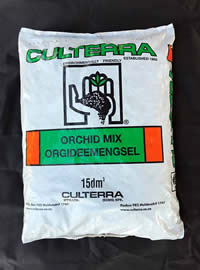 for Cymbidiums |
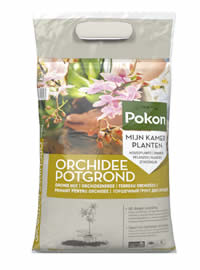 for Phalaenopsis |
Pokon Orchid Mix is well suited for Moth Orchids. A soft and fine medium this orchid mix will retain just the right of moisture for the Phalaenopsis, moth orchids which have a finer root system and as such the soft mix is ideal for their growth habit.
Culterra Orchid Mix has a courser bark chip as its base and is more economical when filling larger containers. The Cymbidium which are more robust and grow outside for most of the year, need a coarser mix which is what they get from the Culterra Orchid Mix. This combines the right amount of drainage as well as moisture retention that they need.
Bark All Purpose Orchid Mix consisting of a mixture of pine bark and vermiculite, this medium is well draining and suitable for all orchids.
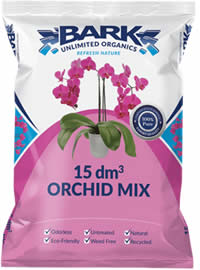 Orchid Mix |
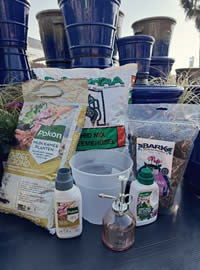 to grow Orchids |
How to grow the best Cymbidium Orchids
Originating in Asia and north India Cymbidiums became popular during the Victorian era. One feature that makes the cymbidium so popular is the fact that the plant can survive cold temperatures as low as 7 degrees and that they flower freely.
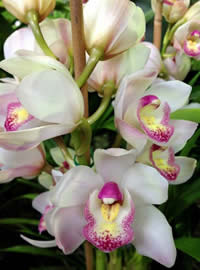 spectacular |
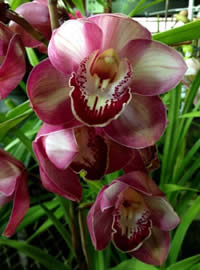 outdoors all year |
Where to place them: Grow them outside under trees or where they get cool shade from the house or a structure. When they are in flower move them indoors to bright light position, as long as they do not get sun through a window they will do well. Outside Cymbidiums need the drop in day and night temperatures, to set their flower spikes so keeping them cool particularly in autumn is important.
Watering: Indoors keep your Cymbidium slightly dry, watering only every 10-14 days and the water must run out the bottom of the pot. Do not let them stand in water. Outside through summer keep them well watered but not wet. Always make sure that the water runs through the pot to ensure that all the plant roots get sufficient moisture.
Feeding: The Orchid mix that they need to grow in provides little to no nutrients for Cymbidiums and you need to feed them regularly all year to get a good show for spring. Feed with Wonder Orchid Bloom every two weeks. When they are indoors in flower feed them every alternate watering or a foliar feed through a mister on a weekly basis.
Aftercare: Once your Cymbidium orchid has finished flowering cut the flower stem out totally and move the plants outside.
Re-potting: Most orchids like to be root-bound. If your plant is very full in the container you know it's about time to re-pot your orchid. However, only re-pot it if it's not in bloom. Take the plant out of the pot and remove the old bark. Cut away any dead or compacted roots from the bottom of the root-ball. If you decide to divide the plant, try and keep three to five-bulb groupings.
If you divide them too much, they will take up to four years to come into flower again. Usually about 5 centimetres between the plant and the side of the new container is sufficient.
When placing the plant in the pot, position the bulbs so they sit just a little into the surface of the Culterra Orchid Mix and so that the newest growth is in the centre of the pot, with room to grow.
How to grow the best Phalaenopsis Orchids
Growing in trees naturally in Taiwan and the Asian islands one can easily see how they have become synonymous with tropical gardens. Originally named Moth Orchids because in the region first discovered by plant collectors there were also large moths at the time and the Phalaenopsis petals where shaped like their wings.
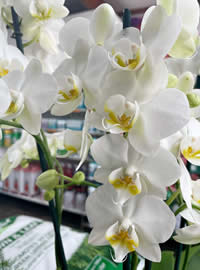 so opulent |
 any time of the year |
Where to place them: Medium to bright light is preferred and avoid direct sunlight though a window. Moth Orchids need good air circulation and make sure your orchid is away from the heater. They prefer slightly humid conditions so in our dry winter weather you can increase humidity by misting your plant foliage in the morning. Do not mist at night.
Watering: Before you water your Phalaenopsis, make sure it is dry to touch. If it is still wet, do not apply any more water. In general, your orchid plant needs to be watered every 7-10 days in summer and 10-14 days in winter. Do not allow your orchid plant to stand in water. Feed with Pokon Orchid food every second time you water.
Aftercare: Once your orchid has finished flowering cut the stem about 2cm below the first bloom. Sometimes a branch will emerge with more blooms from one of the nodes on the stem. If nothing happens in 6-8 weeks, cut the flower stem all the way back. A new spike will form after its resting period. To re-bloom place your orchid near a south window or somewhere in the house where it's warm during the day and cool at night. A difference between night and day is required to stimulate flowering.
Re-potting: If your plant is showing a lot of roots, whether inside or outside the pot, you know it's about time to re-pot your orchid. However, only re-pot it if it's not in bloom. Clean the roots and cut the dead ones off. Try to avoid hurting the healthy root tips when you re-pot your orchid in a clear plastic container with sufficient drainage.
Just gently cover the roots with fresh Pokon Orchid Mix. After transplanting feed with Wonder Ochid Bloom particularly if the plant was under stress when replanted.
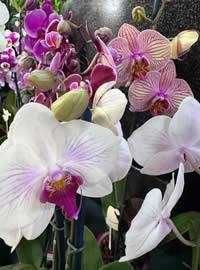 so opulent |
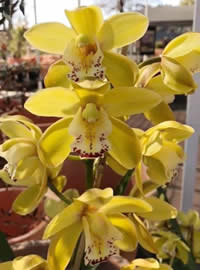 any time of the year |
FAQ’s for Orchid growing - Johannesburg and Gauteng
How often should I water my orchid?
Depends on the type of orchid and the season. Phalaenopsis orchids generally need watering every 7–10 days in summer and every 10–14 days in winter, while Cymbidiums growing outdoors require more regular watering during summer but should be kept slightly drier when indoors in winter. Always allow the water to drain freely and never let orchids stand in water.
Why won't my orchid flower again?
Most orchids need the correct combination of light, temperature and feeding to flower again. Phalaenopsis benefit from warm days and cooler nights to encourage a new flower spike, while Cymbidiums require the natural drop in temperature during autumn to initiate flowering. Regular feeding throughout the growing season also helps plants store energy for future blooms.
How often should I feed my orchid?
Orchids should be fed regularly during active growth. Pokon Orchid Food is applied every two weeks throughout the year, while Wonder Orchid Bloom can be applied as a root drench every two weeks or as a weekly foliar spray. Regular feeding helps maintain healthy roots, leaves and flowers.
What is the best fertiliser for orchids?
A specialist orchid fertiliser is the best choice because it provides the balanced macro- and micronutrients orchids require. Pokon Orchid Food is ideal as a balanced maintenance fertiliser, while Wonder Orchid Bloom offers a more intensive feeding programme with the option of both root and foliar feeding.
Can I use ordinary plant food on orchids?
While some general fertilisers may be suitable at reduced strength, specialist orchid fertilisers are formulated to better match orchid nutritional requirements and reduce the risk of overfeeding.
When should I repot my orchid?
Repot orchids after flowering rather than while they are in bloom. Most orchids prefer being slightly root-bound, but when the pot becomes crowded or the growing medium starts breaking down, it is time to repot using a suitable orchid mix.
What is the best potting mix for orchids?
The best orchid mix depends on the type of orchid. Phalaenopsis orchids prefer a finer orchid mix that retains slightly more moisture, while Cymbidiums perform better in a coarser bark-based mix with excellent drainage. A general-purpose orchid mix is suitable for growing most orchids.
Why are my orchid leaves turning yellow?
The most common causes, such as overwatering, ageing leaves, excessive direct sunlight or poor drainage.
How do I care for a Phalaenopsis orchid?
Grow Phalaenopsis orchids in bright, indirect light with good air circulation and moderate humidity. Water only when the growing medium feels dry, feed regularly with a specialist orchid fertiliser, and repot after flowering using a suitable orchid mix. Cooler nights after flowering help encourage the next flower spike.
How do I grow Cymbidium orchids successfully?
Grow Cymbidiums outdoors in cool, bright shade where they experience the natural difference between day and night temperatures. Water well during summer, feed regularly throughout the year, and repot after flowering when necessary, using a coarse orchid mix that provides excellent drainage.
About the Author
Wayne Stewart has spent decades growing, trialling and advising customers on orchids and other ornamental plants at Eckards Garden Pavilion. The advice in this article combines practical experience with products and techniques proven to work in South African gardens.