


Chase away the winter blues in the garden
The best way to have a beautiful garden is to be in the garden. The more often you are in one your own, a friend’s, an open garden or even a garden centre the more inspiration comes naturally. We all have a little aspirational side and exposure to beautiful gardens helps you naturally find ways to improve your own.
I have a few go-to favourite winter plants for whenever I need a boost, to chase away the winter blues.
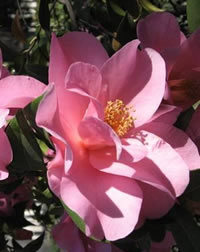 our top seller |
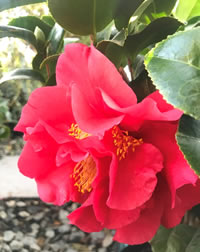 with its soft scent |
Camellias
Camellias are one of my best shrubs for any garden. Besides flowering at a time when few other shrubs do, they are extremely versatile. In the language of flowers, Camellias symbolise greatness and achievement, and the large blooms seen in local gardens attest to this.
Evergreen and slow-growing, they originate in China and Japan, with some ornamental bushes in Japan over 500 years old. Their dark green foliage is attractive all year, but it’s the rose-like blooms of winter and early spring that truly turn heads.
Camellias range from single to rosette flowers and from small, compact shrubs to large, opulent blooms. They grow in semi-shade to morning sun, perfect for clusters, townhouse gardens, as screens, or background shrubs. They can be clipped to shape or opened from below to give a natural woodland feel. They perform best when protected from hot afternoon sun, in well-drained soil with plenty of mulch to retain moisture.
The Fringe Flower: Loropetalum
A surprising addition to the shade garden and does extremely well in a light shade or a half day sun spot. If left it creates an open vase shaped shrub with arching branches.
The dark pink flowers cover the stems in autumn and early winter and then again in spring. In summer it’s their leaves that catch the eye and the new growth can have a plum to burgundy colouring.
Also does well if clipped to shape, I have grown them in a large container clipped into a square with very little maintenance or fuss. I find the secret with them is a bit of Dolomitic Lime if the leaves seem yellow. They prefer a slightly sweeter soil.
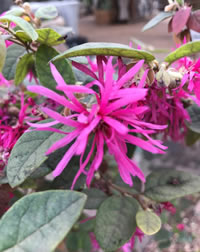 Autumn winter and Spring |
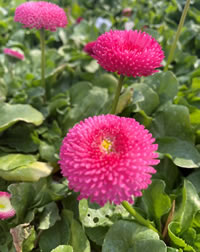 Bellis Perennis |
Bellis Perennis: Button Flowers
Cute as a Button! Through winter one of my favourite unusual annuals to plant are the Button Flowers. Also called English Daisy Lawn, it creates a beautiful bright green ground cover through the winter months in a half sun to mostly sunny spot.
They get the odd flower though the coldest weeks but as soon as there’s a warm week the simply cover in long lasting flowers. They are incredible value for money giving you months of green ground cover as well as flowers right through to early summer.
Viburnum Tinus: The Flowering Laurel
Evergreen shrubs are a great way to add serenity, permanence and structure to the garden. Known as the Flowering Laurel, the spring flowers on the Viburnum Lisa Rose are oh so rewarding. The shrub almost covers in pink tinged buds which open to white petals giving an overall pink and white display.
Compact-growing, it works in large containers or as a central bed anchor. Slow growth keeps it compact, while dark green foliage sets off the flowers. As a hedge, cut back after flowering to shape.
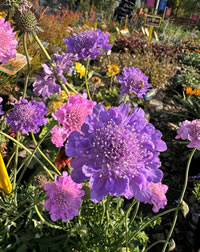 Plant for Pollinators |
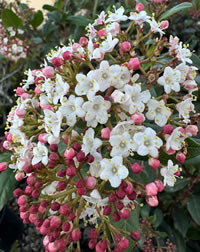 Flowering Laurel |
Butterfly Pinwheels: Scabiosa
Change up the look this year and grow something different. The Scabiosa, with its pinwheel like flowers are well worth planting in a mostly sunny spot. Available in White, Blue and Pink this unassuming perennial is all the rage.
Use them to attract pollinators all year. Bees in spring and butterflies in summer and they are the perfect addition to a home picked country styled bouquets.
Being a creature of habit when it comes to favourite plants, I always have a patch of pansies growing at home or in the garden centre for winter and spring colour. The challenge is on.
Sometimes the best way to make your garden stand out and feel different is to plant something different. A boring winter garden is a sign of a gardener who needs to explore.
I think we should all take some time to get out there and see what the world has to offer… even if that just a few steps down the road to a friend’s garden – with a cup of something warm to enjoy each other’s company and grow.
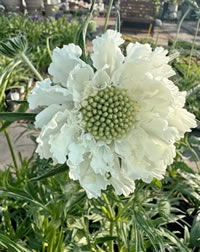 growing Scabiosa |
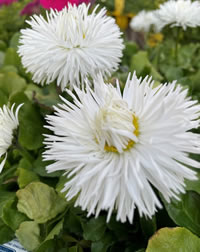 Cape Honeysuckle |
Winter Gardening FAQ – Johannesburg and Gauteng
- When does winter gardening start in Gauteng?
Winter in Gauteng runs from late May through August, with cooler mornings and evenings slowing plant growth but giving foliage and flowers a chance to shine.
- What are the best winter plants for Johannesburg gardens?
Top winter plants include Camellias, Loropetalum (Fringe Flower), Button Flowers (Bellis Perennis), and Viburnum Tinus—all perfect for colour and structure when most other plants are resting.
- Which winter plants attract bees and butterflies in Gauteng?
Scabiosa (Butterfly Pinwheels), Camellias, and Cape Honeysuckle bring pollinators into the garden even in the colder months.
- How should I care for winter flowering plants?
Plant in well-drained soil, give semi-shade to morning sun, water moderately, and clip or prune after flowering to encourage denser growth.
- Can I plant shrubs or perennials in winter for spring blooms?
Yes! Even in winter, roots continue to establish, setting shrubs and perennials up for a strong, colourful spring display.
- How do I keep my winter garden cheerful and interesting?
Plant things that look good each season, mix in pollinator-friendly flowers, explore something new, and don’t be afraid to take a cup of something warm and wander around a friend’s garden for inspiration.